What Charli XCX's "The Moment" reminded me about owning my voice
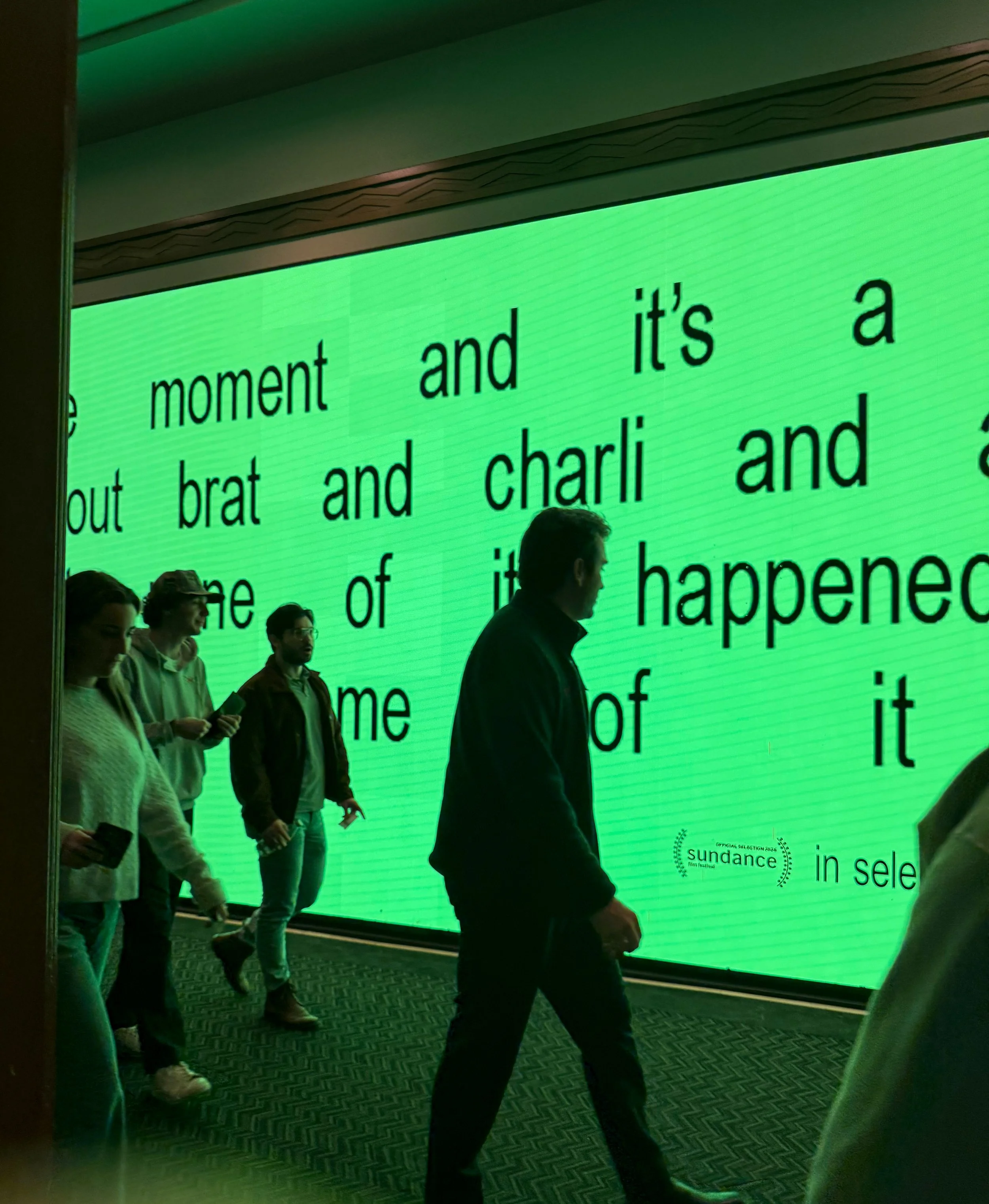
When your ideas and your art grow beyond yourself, at what point do you stop owning your voice?
I saw Charli XCX’s film The Moment yesterday. I’ll admit, I went into it pretty skeptical. I was slightly worried, considering that I’m a pretty big Charli XCX fan, that the film (framed as a mockumentary) was going to alter my perspective of her as the innovative, genre-bending artist that she is.
But instead, the film actually, dare I say, left me with some feels. As someone who has worked in the creative industry for over a decade, there were so many themes within the movie that deeply resonated with me. Sure, I am not — nor have I ever been — as visible as Charli, or had her level of commercial or creative success. Yet, I felt triggered.
One thing that stood out was the tussle with creative choice — the never-ending fight between the industry and her own creativity. The inner turmoil she experienced when corporations were trying to commercialize her creative ideas. And how even a wildly successful artist fights this fight.
It got me thinking about the commodification of art. That turning point, that fork in the road, when an idea goes from a silly little thought in your head, or a fun little side project, and it completely blows up, grows legs of its own, and becomes a beast that you can’t even control anymore.
In my work, I see this all the time — creatives and brands trying to grow, scale, or become more visible without losing their voice.
It’s crazy to think that even stars struggle with owning their voice and perspective. Perhaps the bigger you get, the more visible you are, the harder it is to take full ownership of it. There are so many stakeholders wanting to overwrite it, strategize it, turn it into something they can sell.
And it made me wonder:
When it comes to voice, is it true that the more visible you are, the less control you actually have over it?
When do you stop being authentic to yourself, your point of view, your perspective?
Is there a line you must cross before your voice stops being yours?
There was a monologue at the end of the movie. Charli basically broke down and admitted that she had just been trying to make everyone happy and receive validation, acceptance, and love from the public, hoping it would make her feel better about herself.
I don’t know if it was really intended to be an emotional monologue, but it made my eyes well up with tears — because girl, me too. I know those feelings deeply, and all too well.
So I guess my main takeaway from this film is this:
Editing your voice or changing your art to make it more palatable to mass audiences will not bring you closer to happiness, acceptance, or validation.
It will not bring you closer to your goal.
It will not make your art better.
It will rip out its soul, its originality, its artistic flair — all for the sake of appealing to people that you honestly don’t really give a fuck about.
To me, in the end, all that matters is your unique world perspective: the way you show up in the world, the art you pour into it, and the work that feels true to you.
And fuck everyone else.